Rough Times Regular Font: A Textured Typeface for Bold Designs
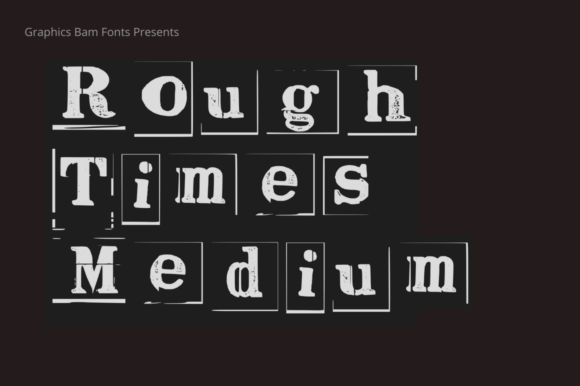
Some fonts speak with a whisper, but the Rough Times Regular Font makes a statement with a confident, textured voice that immediately grabs attention. This cool and textured display font is engineered for impact, offering a raw, authentic aesthetic that feels both vintage and contemporary. It is perfect for product packaging, branding projects, magazine covers, social media graphics, wedding stationery, or simply used to express powerful words above a background image.
Visual Character and Aesthetic Appeal
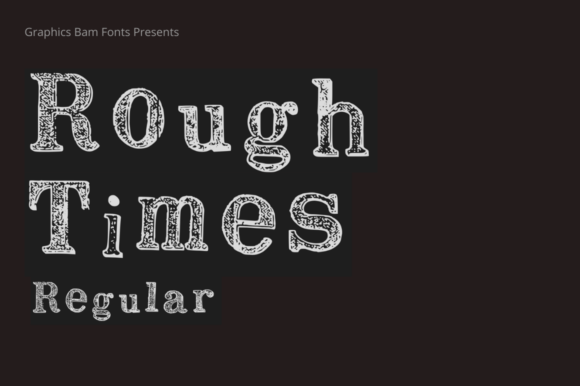
The defining feature of this typeface is its distressed, weathered appearance. Unlike standard sans serif or script fonts that rely on clean lines, Rough Times utilizes irregular edges and grainy textures to create depth. This visual noise adds a layer of authenticity to your design, making it an excellent choice for projects that need a "human" touch. The font avoids looking overly digital, which helps bridge the gap between modern typography and handcrafted artistry.
Where This Display Font Shines
Understanding where to apply a specific typeface is crucial for effective design. Because Rough Times is a display font, it is optimized for headlines and short bursts of text rather than long-form body copy. Its bold nature makes it highly versatile across various mediums. Consider using it for:
- Logo Design: Creating memorable brand marks with a rugged or artisanal vibe.
- Packaging Design: Labeling for coffee bags, craft beers, or organic skincare products.
- Poster Design: Event flyers, music festival promotions, or gallery exhibitions.
- Social Media Graphics: Instagram stories, YouTube thumbnails, and header images that need to stop the scroll.
- Wedding Invitations: Specifically for rustic, bohemian, or outdoor-themed ceremonies.
Pairing Typography for Visual Hierarchy
A textured display font works best when balanced with a complementary typeface. To maintain a professional presentation and ensure readability, you should pair the Rough Times Regular Font with a cleaner counterpart. For instance, using a simple geometric sans serif or a classic serif font for your body text creates a strong visual hierarchy. This contrast allows the headline to be the hero of the layout while the supporting text remains easy to read. Avoid pairing it with other decorative or handwritten fonts, as this can result in a cluttered and confusing design.
Practical Considerations for Web and Print
When incorporating this font into your workflow, think about scalability. Because of its texture, the font performs exceptionally well at larger sizes. In web design, ensure that the texture remains visible on high-resolution screens. For print, such as merchandise or editorial design, the grain often translates beautifully onto physical materials like paper or fabric. However, for very small text sizes, the distressed details might merge, so it is best to use a standard typeface for footnotes or legal disclaimers.
Choosing the Right Font for Your Project
Selecting a premium font is an investment in your brand identity. The Rough Times typeface is ideal if your goal is to convey strength, nostalgia, or creative independence. It is a commercial font that serves as a powerful design asset for creators who want to move beyond generic templates. Before finalizing your choice, consider the emotional response you want to evoke. If your brand relies on sleek minimalism, this might not be the fit. But if you want to stand out with a gritty, authentic, and artistic style, this font offers the flexibility and character needed to elevate your creative projects.