Rough Times Medium Font: A Textured Display Typeface for Bold Branding
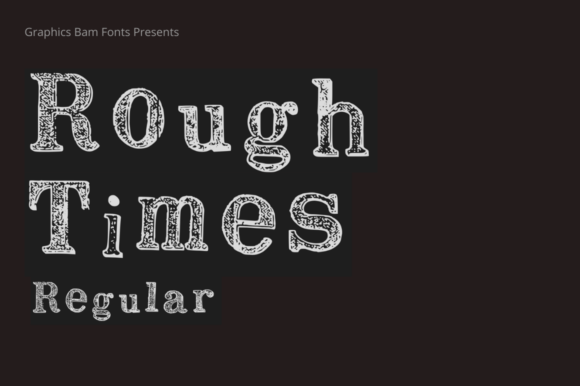
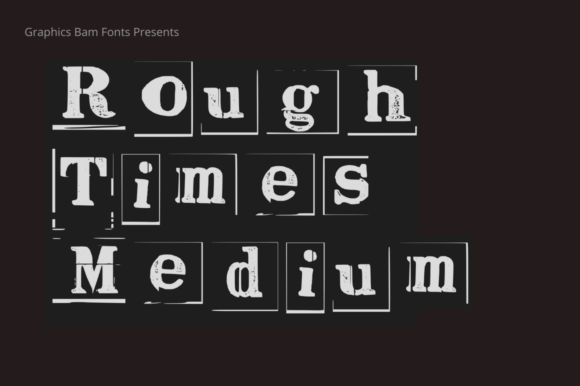
Sometimes a design needs a typeface with character, something that feels tangible and full of personality. Rough Times Medium Font is exactly that—a rough textured display font designed to make your words stand out. It brings a raw, artisanal quality to any project, perfect for when you want your text to feel like part of the design, not just placed on top of it.
The Distinctive Character of a Rough Textured Typeface
What sets this premium font apart is its imperfect, handcrafted texture. Unlike clean, sterile sans serif fonts or overly formal serif fonts, the rough edges give it a human touch. This quality makes it an excellent choice for projects that aim to convey authenticity, craftsmanship, or a vintage vibe. The medium weight strikes a versatile balance, ensuring it remains impactful without overwhelming your layout. It’s a creative font that adds instant visual interest and depth.
Ideal Applications for Your Next Creative Project
This display font shines where you need strong visual hierarchy and a memorable impression. Its design flexibility makes it suitable for a wide range of uses. Consider it for:
- Branding & Logo Design: Create a unique brand identity for artisanal products, breweries, cafes, or outdoor adventure brands.
- Packaging Design: Make product packaging stand out on shelves with text that feels tactile and premium.
- Editorial & Magazine Covers: Craft striking headlines for fashion, lifestyle, or music publications.
- Social Media Graphics: Design scroll-stopping posts, stories, and thumbnails that demand attention.
- Wedding Stationery & Invitations: Add a rustic, elegant, or bohemian touch to save-the-dates and event signage.
- Poster Design: Create impactful visuals for events, concerts, or promotional campaigns.
It’s also fantastic for expressing words above a background image, where the texture helps the lettering integrate seamlessly with the visual.
Pairing and Practical Design Tips
To use Rough Times Medium Font effectively, consider its role in your typographic hierarchy. It works best for headlines, logos, and key phrases rather than long body text, where a simpler script font or sans serif font would be more readable. For a balanced design, pair it with a clean, complementary typeface. A simple sans serif font like Montserrat or a classic serif font like Lora can provide excellent contrast, allowing the textured display font to be the star without causing visual clutter.
Always test the font at the size it will be used. Check for legibility at smaller scales and ensure the texture remains clear. When used in web design, consider the load time and rendering across different browsers and devices.
Licensing and Commercial Considerations
Before finalizing your design assets, it’s crucial to understand the font’s licensing. Always verify whether the font download includes a commercial license for your intended use—whether it’s for a client project, merchandise, or digital products. Respecting the typeface’s terms ensures your work remains professional and legally sound, protecting both your design and your reputation.
Elevating Your Visual Communication
The typography you choose is a fundamental part of your message. A well-selected font like this one does more than spell out words; it sets a mood, communicates a brand’s values, and enhances the overall user experience. By incorporating a thoughtfully designed typeface into your toolkit, you invest in the polish and professionalism of your creative output, ensuring your projects not only look good but also connect more deeply with your audience.